The Evidence Ripens —What Produce Prescriptions have Taught Us About Diabetes Care

The Evidence Ripens
What Produce Prescriptions have Taught Us About Diabetes Care

------- + -------
Featuring Dr. Carmen Byker Shanks, CNHI Director of Scientific Strategy
How CNHI and our partners are using evidence from a multisite produce prescription study to shape what comes next for Food is Medicine.
A produce prescription sounds simple: a health care provider recommends and prescribes fruits and vegetables, and a patient receives help bringing more of them home. But behind that exchange sits a much bigger question: Can nutritious food become a meaningful, measurable part of health care in the real world?
The Center for Nutrition & Health Impact (CNHI) has spent the past several years helping answer that question as it relates to diabetes care through the Pathway for Produce Prescriptions in Diabetes Management (PPPT2D) project. Supported by the American Diabetes Association (ADA), the study evaluated GusNIP funded produce prescription (PPR) programs serving adults living with type 2 diabetes and limited incomes. Program partners and researchers worked across five sites to understand how the programs operated and what participants experienced.
Carmen Byker Shanks, PhD, RDN, CNHI’s Director of Scientific Strategy and Principal Investigator of ADA PPPT2D, reflected on why that multisite approach mattered:
“People who received a produce prescription saw meaningful improvements across five differently run programs. Evaluating this across communities mattered because we needed to know if the model could flex to fit real world partnerships, not just work in ideal study conditions. What we found is that nutritious food can be a genuine part of diabetes care. There's still more to learn, and that's exactly why this work continues.”
With PPPT2D now complete, its contribution extends beyond the findings. The project produced encouraging evidence and clarified what it takes to evaluate produce prescription programs in real world settings.
Five Communities, One Urgent Question
Across five communities, one idea took on five distinct forms: making fruits and vegetables part of diabetes care.
For adults enrolled in the study receiving a produce prescription, how that support arrived depended on their community. Some received a box of fruits and vegetables. Others used a voucher or electronic debit card allowing them to choose produce at a grocery store or farmers market. Produce support ranged from $50 to $160 per month and lasted four (at one site) or six months (at four sites), alongside diabetes care. A comparison group continued receiving diabetes care without the produce benefit.
Those differences were not details to smooth over. They were central to what PPPT2D set out to learn. PPR programs take shape around the systems that deliver them and the people who use them. CNHI designed one of the field’s first pragmatic multisite evaluations of community-based produce prescriptions at scale, creating enough consistency to compare outcomes while embracing program differences.
CNHI combined participant experiences from surveys and focus groups with health records and information about program delivery and costs. That holistic approach moved the evaluation beyond just whether outcomes changed, revealing how each program worked in different settings and what future partners could carry forward.
Evidence Grounded in Real World Implementation
The numbers show that people actually used the support they were offered, and what it meant for their everyday lives.
Produce benefits became food at home. Participants used the large majority of the benefits for fruits and vegetables made available to them, showing that the program reached people and was put to use.
Blood sugar moved in an encouraging direction. Among intervention participants, average HbA1c improved.
BMI also declined. Intervention participants saw a modest but meaningful drop in BMI over the course of the program.
Participants ate more fruits and vegetables. Reported fruit and vegetable intake rose among those receiving produce prescriptions.
Participants felt healthier. The share of intervention participants rating their health as good or better rose over the course of the program.
Exact results are forthcoming in a peer-reviewed publication. These findings are promising, but they are not the final word. This study reflects how produce prescriptions work in real-world conditions, and the next step is to confirm these patterns through a randomized trial. PPPT2D adds important multisite evidence and helps define what future research should be examined more fully.
We are very thankful to Chicago Botanic Garden, CrescentCare, Lawndale Christian Health Center, Market Umbrella, New Mexico Farmers Market Association, Parkview Hospital, Presbyterian Healthcare Services, Rowan University, The Food Trust, and Virtua Health for their partnership.
The Work Behind the Impact
Community research rarely unfolds exactly as planned. Throughout PPPT2D, sites balanced recruitment and follow-up with clinical workflows while continuing to serve their communities. CNHI stayed close through ongoing conversations and site visits, helping partners respond to challenges and share lessons across the study. This was not evaluation from a distance. It was built alongside the people doing the work.
Dr. Byker Shanks described how that partnership shaped what CNHI was able to learn:
“Honestly, some of our best insights came from just checking in with a site and hearing what they were running into that week. Staying that close is what let us pull out real best practices, the kind other communities can actually use when developing their Food is Medicine programs.”
The team’s work continued after data collection. CNHI connected experiences across the five sites and translated them into resources people can use. CNHI is also returning the findings to the communities that helped shape them. Each site will receive a tailored share back report, and the Parkview findings offer one example of how those local results can support reflections and next steps.
To carry the learning beyond the five communities, CNHI will share the national findings through a full report and executive summary. The team also developed a field guide and companion readiness rubric to help future partners assess their capacity and prepare for similar evaluations.
PPPT2D has ended, but its value continues. That is how CNHI moves evidence into impact: by returning knowledge to the communities that shaped it and ensuring those lessons strengthen what comes next.
This project is supported by the American Diabetes Association Grant 7-22-ICTSN-40
Help Shape the Diabetes Plate
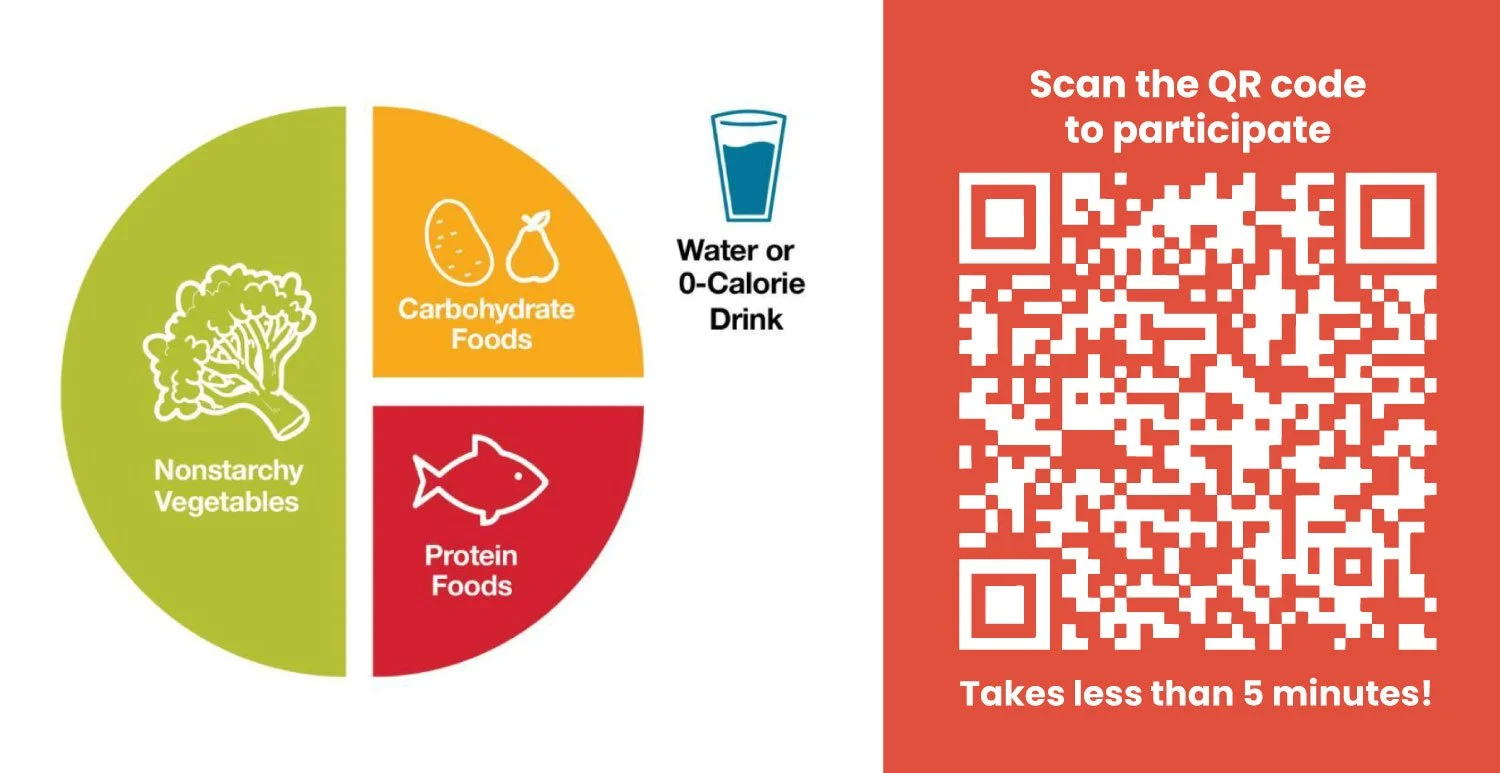
In collaboration with the American Diabetes Association, we are making thoughtful updates to the Diabetes Plate. We are gathering feedback from patients, educators, and healthcare professionals to guide updates to the Diabetes Plate. Share your input below!