Fall 2026 Nutrition Notes

The Same Story, Told Two Ways:
Year 8 of GusNIP
------- + -------
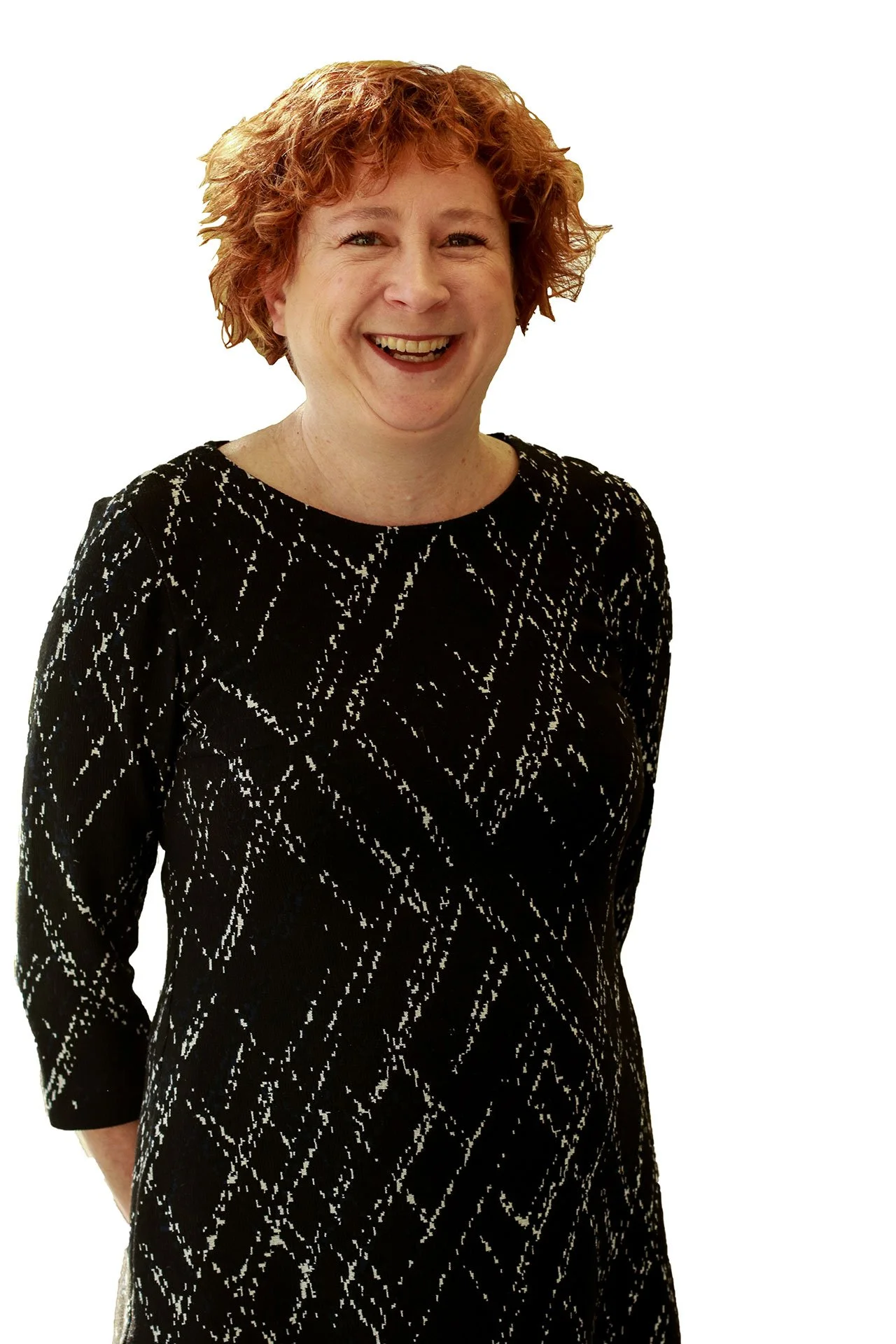
As we enter our 8th year leading the GusNIP Nutrition Incentive Program Training, Technical Assistance, Evaluation, and Information Center (NTAE), I find myself reflecting on both sides of what we do: the evidence we are building and the people that the evidence is meant to serve. Good science and lived experiences are not separate stories here – they are the same story but told two different ways.
As I reflect, I think about the families served by GusNIP stretching their food dollars to bring home more fruits and vegetables. I also think about how the GusNIP grantees measure fruit and vegetable intake and other important variables like food security among program participants and how the positive changes we are seeing, ultimately contribute towards improving the health of the individuals being served. Then I ponder further on the grantees, who are, in effect, co-investigators in this work. They adapt their projects as community needs change, helping generate the evidence that advances our understanding of what works in nutrition incentives and produce prescriptions.
When I consider all of this, I feel hopeful and grateful.
Through our NTAE work, and across CNHI, we believe that it is critical to listen to communities and to help shape solutions around their realities instead of expecting the same approach to work everywhere. That lesson is guiding our work. We are creating more tailored ways to evaluate progress while making greater room for community voices. We are also helping grantees plan for program sustainability beyond an initial GusNIP award.
To me, evidence should never end with a report. The real value lies in what evidence helps people do next, and how one community’s experience can open new possibilities for another. What excites me most is the chance to carry what we have learned into Y8 of GusNIP and beyond. And that work must remain grounded in what people need and what communities can sustain.
Working on the NTAE all these years has strengthened my belief that evidence must stay connected to the people it serves. It is easy for data to become abstract, numbers on a page, disconnected from the lives they represent. Behind every number are many stories, from the farmer selling to new customers at the market to the health care provider prescribing produce as part of a patient's care. The strongest and most sustainable work comes from stepping back, listening to those voices, and letting them shape what we measure and why. That connection is not just good practice. It is what makes the evidence worth acting on in the first place.